Library › Meditation
Urge surfing
A short guided sit with the wave of an urge.

A five-minute practice. Eyes can stay open. Stop if you feel unwell.
Step by step
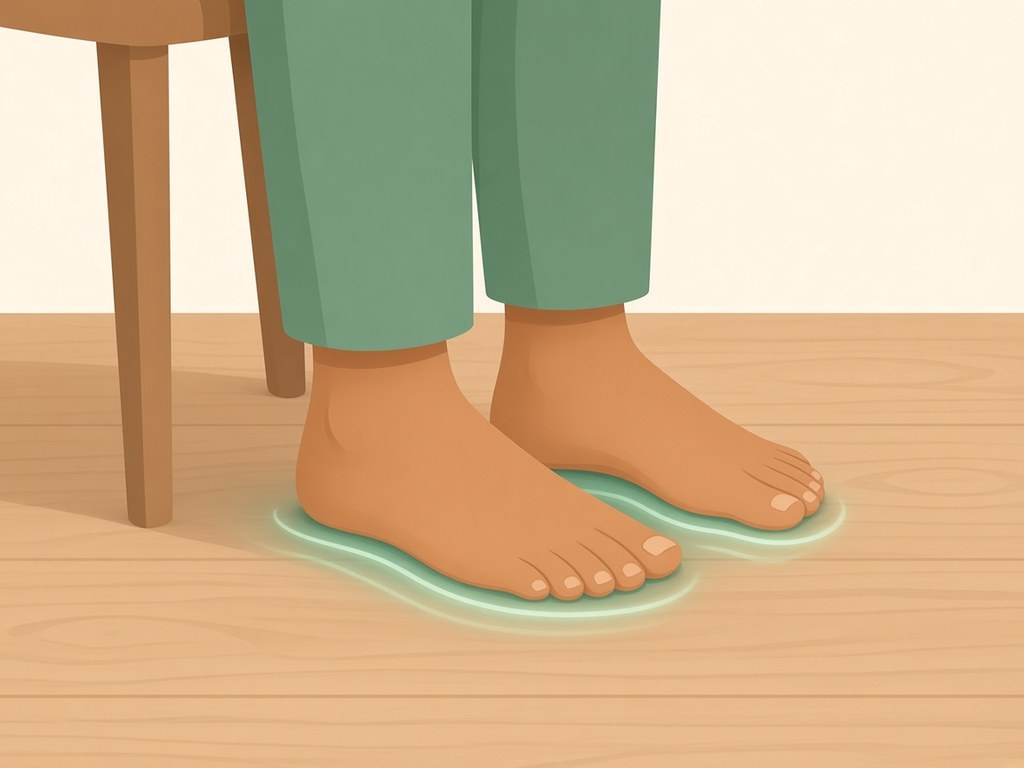
Arrive (40 seconds)
feet on the floor. You can keep your eyes open.
Name the urge (45 seconds)
give it one plain name. You don't have to act.
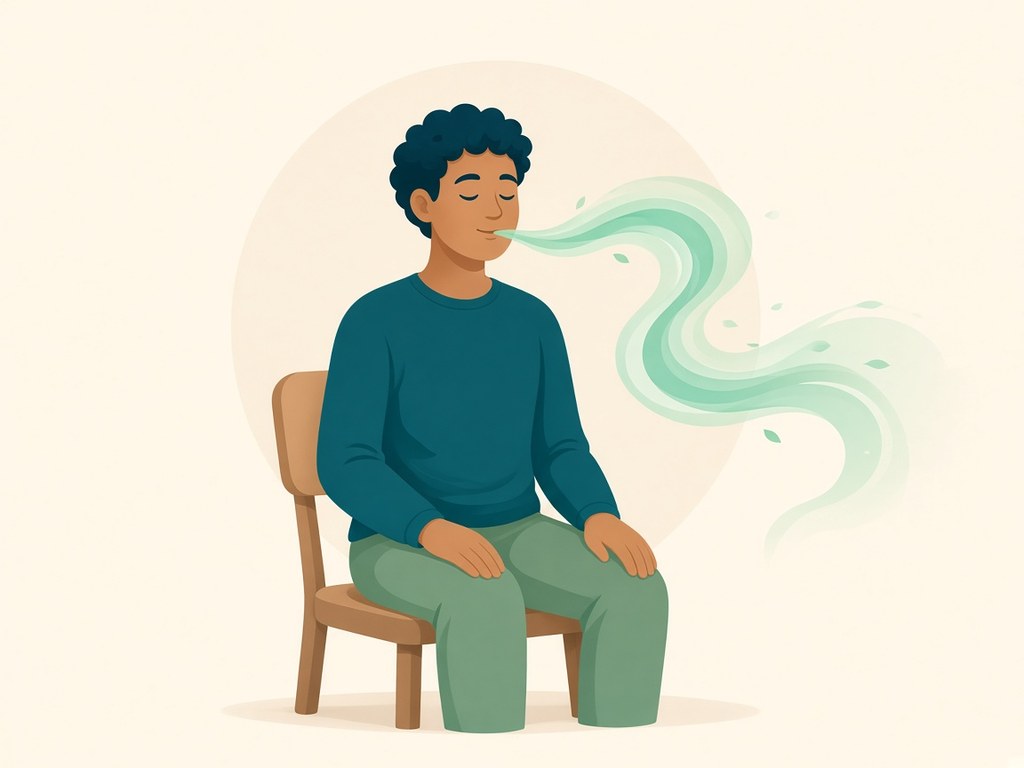
Watch the crest (70 seconds)
notice if it rises. Breathe out a little longer, if that feels okay.
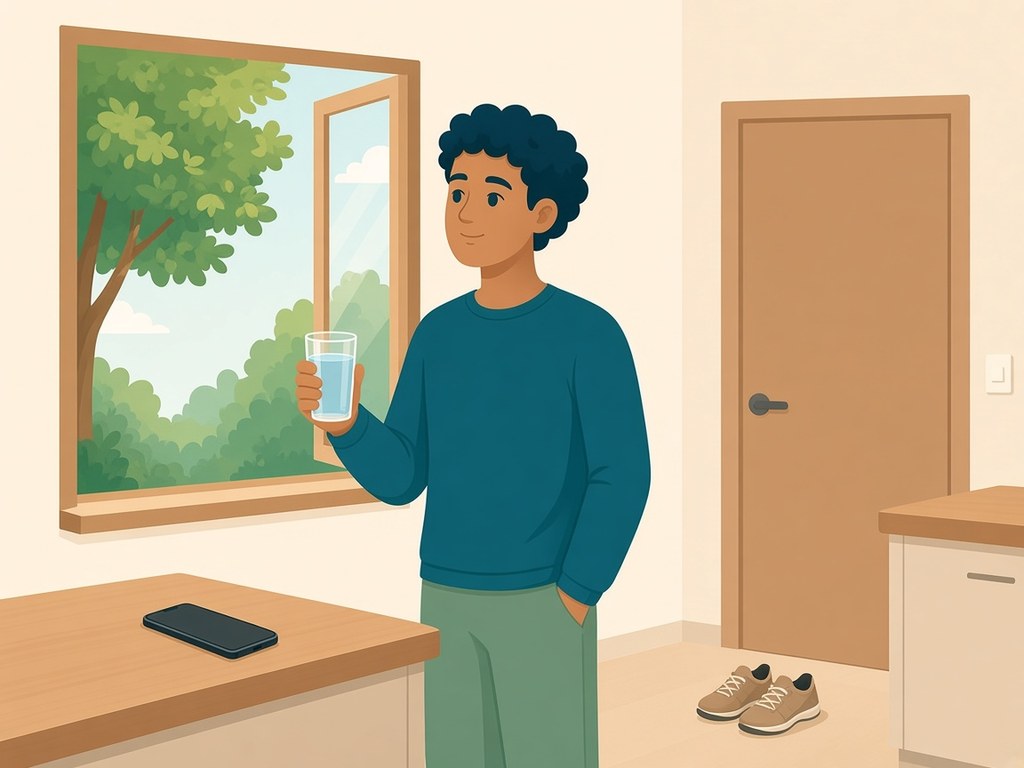
Let it move (50 seconds)
waves change. Stay with the room.
Close (40 seconds)
one thing you'll do in the next ten minutes.
Where this comes from
Urge surfing comes from relapse-prevention research. US psychologist Alan Marlatt described it in the 1980s, and it later became part of Mindfulness-Based Relapse Prevention (MBRP), which he developed with colleagues including Sarah Bowen.
Why it can help
Urges tend to rise, peak and ease, like a wave. Watching that happen, instead of fighting the urge or obeying it, can make it easier to wait one out. In a 2009 study of university students who smoked, a short urge-surfing instruction did not make urges weaker, but people smoked fewer cigarettes over the next week. In a 2014 trial, people in MBRP reported fewer days of drug use and less heavy drinking a year later than people in usual aftercare. Results differ from person to person.
For any health concern, talk to your GP or a doctor. HomeCircle is support, not medical care.